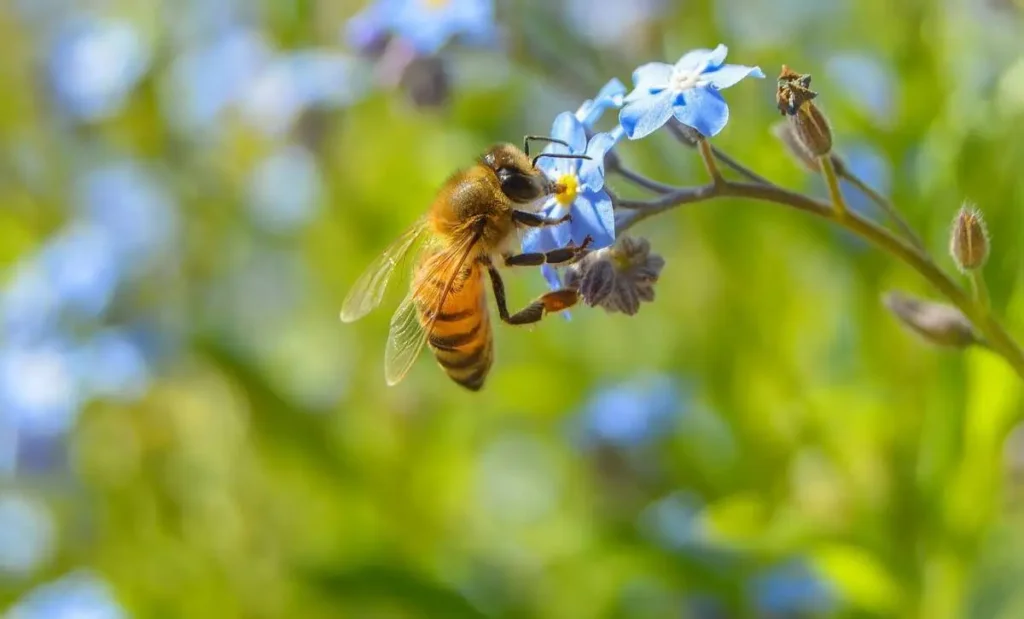

A new study emphasizes the importance of conserving wild, native insects too
Flowers pollinated by honeybees make fewer and lower-quality seeds than flowers visited by other pollinators.
That could be because honeybees spend more time buzzing between flowers of the same plant than other pollinators do. As a result, more of the plant’s own pollen is deposited back on itself, leading to more inbred seeds, researchers report June 28 in Proceedings of the Royal Society B.
Honeybees command a lot of attention in insect conservation circles, in part because they are important for pollinating our food supply. But the findings emphasize the importance of prioritizing pollinators like wild, native bees, moths and butterflies in conservation efforts too, the researchers say.
Back in the greenhouse, the team grew the seeds, analyzing characteristics that reflected their quality, such as how many seeds germinated and survived and how many leaves or flowers seedlings grew.
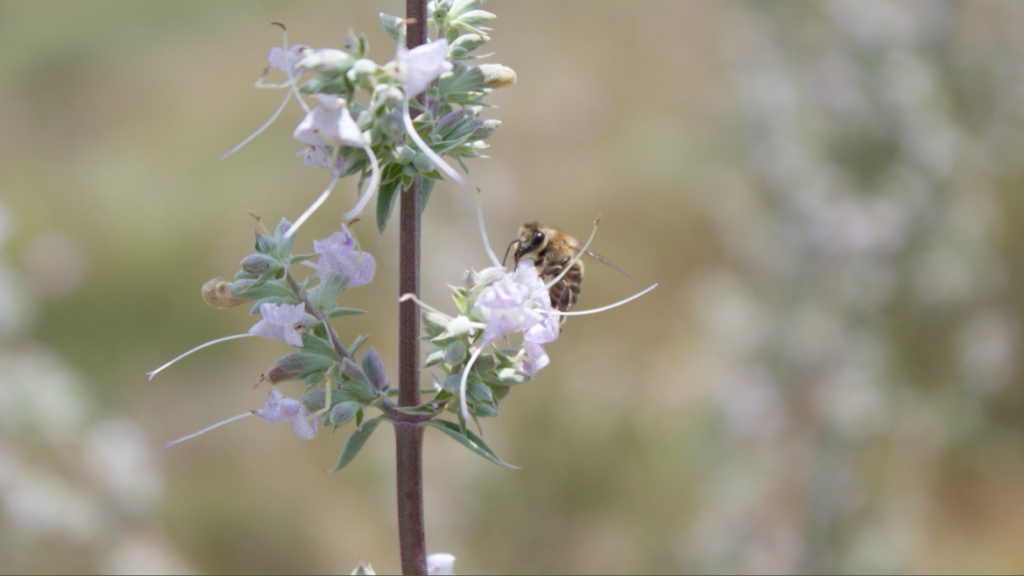
The white sage and P. distans plants produced roughly half the amount of seeds from flowers pollinated by honeybees compared with other pollinators, mostly native insects. And P. distans seeds from honeybee-pollinated plants grew into seedlings with fewer flowers. The black sage plants didn’t get enough non-honeybee visitors for comparison but did produce fewer seeds when pollinated by honeybees compared with cross-pollination by hand.
The researchers also found that honeybees visited about twice as many flowers on one plant before moving to the next than the average of other pollinators. That suggests the fewer, lower-quality seeds may arise because honeybees transfer more pollen between flowers of the same plant, resulting in more inbred seeds. Other pollinators more often flitted between different plants, probably transferring more diverse pollen.
The new finding is concerning, Travis says. Because of honeybees’ methodical pollination habit, it’s likely the results are relevant to other plants. But it’s difficult to know how things will play out in the long term.
One potential consequence could be that native plant populations decline as subsequent generations become more inbred, reducing biodiversity. It would be illuminating to see how inbred plants fare after several generations, says Maria van Dyke, a pollinator ecologist at Cornell University.
For now, this study is an example of why more conservation focus should be on native bees and other pollinators, which are vital to ecosystems and agriculture, in addition to honeybees, van Dyke says. (SN: 8/4/20). Honeybees, wild bees and many other insects are threatened by pesticide use and climate change (SN: 10/5/17).
“It is time to actually shift our dependence for pollination from largely honeybees to … native species as well,” says Jaya Sravanthi Mokkapati, an entomologist at Penn State University. Growing native flowers is one way to support native pollinators, she says, as is adding nesting habitat — like twigs and decaying wood — to yards.


